

6 foods I eat for energy to avoid the afternoon crash
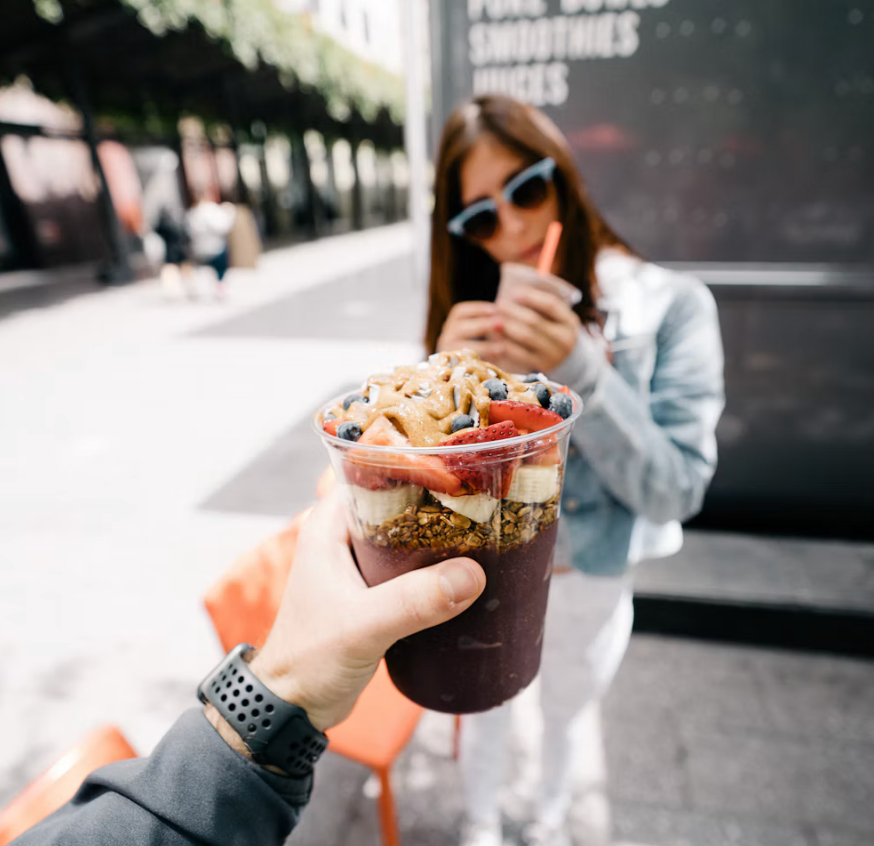
According to human trials these foods give steadier energy (each with a quick description on exactly why).
Most days, I can get through a busy morning on momentum, but the afternoon tiredness then exposes everything.
So when I look at foods for energy I'm not interested in a quick lift (that always fades far too soon). I need foods that change how much I get done in the afternoon, before I feel like falling asleep on the keyboard. (Also, caffeine without jitters would be great.)
You probably don't know this about breakfast
Breakfast influences afternoon energy much further into the day than we tend to think!
It's called the second-meal effect: What we eat at breakfast can change how our body handles lunch.
Human studies show certain slower-digesting wholegrain breakfasts can reduce the glucose rise after the next meal, even when the lunch itself stays exactly the same.
I wrote more about this in The 3-ingredient breakfast that stops the 3pm crash (without cutting carbs).
Here's what foods work for energy according to human studies:
Oats
Oats earn their place because of beta-glucan (a soluble fibre), which slows down digestion and the speed at which glucose enters the bloodstream.
In this study, beta-glucan-rich oat bread produced a lower post-meal glucose and insulin response than the control group, who ate bread.
This slower curve is exactly what we want from a food for sustained energy.
Almonds
Almonds work through a slightly different route.
In this trial involving 137 adults, eating 43 g of almonds with meals or as snacks reduced post-meal glucose responses. When eaten as snacks, they also reduced plain physical hunger.
The second finding interests me just as much, as it's an effect I often notice as well.
If I'm hungry again just 1 hour after lunch, it's obviously so much harder to focus and keep energy steady.
Chia seeds
Chia seeds pack a surprising amount of functional fibre into just a tiny serving.
In this study, adding 25 g of chia to a glucose challenge reduced the 2-hour glucose response, and increased feelings of fullness.
25 g is the amount you’d get from around 2 tablespoons, which is roughly the size of a small overnight chia pudding. I like foods where a realistic amount is enough and shows a clear measurable effect!
Berries
Fruit often gets pulled into biased conversations about sugar. But the natural sugar in berries works exactly for what we want.
In this crossover study, mixed berries produced a smaller and later glucose peak than usual breakfast sugar (for example in cereals) eaten alone.
So even though berries contain natural sugars, their fibre and polyphenols change how that sugar behaves once it reaches the body.
Which is also part of the reason I no longer judge fruit by sugar content alone.
Lentils
Lentils are one of the strongest foods here.
In this study, replacing just half the available carbs from rice or potato with lentils reduced the post-meal glucose response by roughly 20–35%.
That’s a fairly big difference from one food swap.
The combination of starch, fibre and protein is what makes lentils work when we want energy that feels steadier rather than front-loaded.
If you struggle with fibre digestion, red split lentils are your most gentle option. Otherwise, find out your exact fibre threshold here:
 Martina Gabriela
Avocado
Healthy fats can change what pretty much any lunch does to your energy.
Unsaturated fat slows digestion and can soften the rise in blood glucose after your meal.
In this study, adding 10 g of extra-virgin olive oil to a Mediterranean-style meal lowered the post-meal glucose response in healthy adults.
Avocado is just another type of this healthy fat and it's also rich in fibre, which helps extend fullness and slow the meal down further.
In this human crossover trial, adding around half an avocado to lunch increased satisfaction and reduced the desire to eat for several hours afterwards.
Other research has also found lower post-meal glucose and insulin responses, when avocado was included in a meal.
A quick takeaway
From the second meal effect to slowing down spikes, these foods help create steady energy in a way that lasts (or at least has a chance to last, depending how crazy the afternoon is).
Oats and chia slow absorption. Lentils flatten the glucose response. Almonds and avocado help extend fullness. Berries change the shape of the glucose rise.
This is the kind of realistic effect we want from energy-boosting foods.
So if your usual lunch leaves you crashing by afternoon:
The Energy Plate shows you realistic lunch options to keep you full, focused and steady until dinner (using an exact energy structure proven in human studies).
 Martina Gabriela
💫 Have a friend who needs to read this? Email this article 💌




Member discussion