Skin Glow List: 12 Functional Foods For Radiant Healthy Skin


Evidence-based ways to eat for skin glow, from the inside out
Research confirms that there's no denying it, what we eat shows up on our skin.
Our skin definitely tells on us: When we're tired, stressed, or living on toast and caffeine.
The good news is, we can absolutely use this knowledge as a biohack to nourish a healthy glow from within. The kind that looks effortless. Without buying expensive skincare (you can, but that's not the start and end of it).
Studies show it's also very much about what we feed our skin every day.
These 12 functional foods are proven to help skin repair, to protect it, and to nourish that healthy radiance from the inside out:
🫐 1) Blueberries [Antioxidant defence]
Small but loaded. Blueberries are rich in anthocyanins, compounds that protect skin from oxidative stress, the same process that dulls your complexion over time.
A 2019 study in Nutrients found that higher anthocyanin intake was linked to stronger skin collagen integrity and less UV-induced inflammation.
Frozen or fresh? Frozen, unless you buy locally and in-season.
Frozen berries are usually richer in everything, as they're frozen immediately after harvest. Fresh berries often travel far and can lose some of their nutrients on the way.
That said, both versions are still super nutritionally rich compared to non-functional foods. So fresh blueberries are still highly beneficial for your skin health.
🥑 2) Avocados [Skin's natural moisturizer]
Packed with mono-unsaturated fats and vitamin E, avocados help maintain the lipid layer that keeps skin supple.
A 2022 study in Journal of Cosmetic Dermatology found that people who ate one avocado a day, had measurable improvements to their skin elasticity after just 8 weeks.
🫒 3) Extra Virgin Olive Oil [Skin's Inner Serum]
The polyphenols in high-quality olive oil don't just protect your heart, they protect your skin cells from oxidative stress as well.
In Mediterranean studies, people with the highest olive oil intake had visibly fewer wrinkles and better skin hydration.
Which version? The less processed the better, even if the oil is already extra-virgin.
Raw, organic, hand-pressed versions work best as they're the purest.
But don't stress over this too much! Any extra-virgin olive oil you can get has high health benefits for glowing skin.
🍝 4) Tomatoes [Natural UV shield]
Tomatoes are rich in lycopene, a carotenoid shown to reduce sensitivity to UV rays.
A 2021 review in Frontiers in Nutrition confirmed lycopene's protective role against photoaging.
Fresh or cooked? This surprised me but cooked tomatoes have the highest bioavailability, so yes, pasta sauce counts which is great.
🥕 5) Carrots [Beta-carotene booster]
Beta-carotene converts into vitamin A (one of the hardest vitamins to get), which your body then converts into retinol, helping your skin renew and repair itself faster.
One American Journal of Clinical Nutrition study found that a higher carotenoid intake literally changes skin tone, giving it a healthier glow. Basically nature's filter.
🍊 6) Oranges [Collagen's best friend]
Vitamin C is a key cofactor for collagen synthesis, without it, our skin can't rebuild properly.
A 2020 review in Nutrients linked regular vitamin C intake to smoother and firmer skin across multiple trials.
Whole or juiced? For both carrots and oranges, the whole vegetable / fruit gives you the added benefit of fibre, much higher bioavailability, and slower sugar absorption.
✨ Get a free Skin Glow Fridge List – 1-page fridge reference list, or save it to phone. Bonus: Has bioavailability score and synergy tips to boost the effect ✨ Download it here.
🧄 7) Garlic [Detox support for clearer skin]
Garlic contains allicin, which helps reduce inflammation and bacterial overgrowth, both common triggers for acne and skin irritation.
It also supports liver detox enzymes that clear out excess hormones and toxins.
Best way to eat it? Roasted is great, but raw in a dressing or lightly cooked (under a minute) in pasta sauce has the highest allicin bioavailability.
🫚 8) Ginger [Calms inflammation at the source]
Known for its gingerols and shogaols, ginger is one of the most studied anti-inflammatory roots.
A 2021 meta-analysis in Phytotherapy Research linked ginger consumption with lower oxidative stress markers, an indirect but important factor fot skin clarity.
Best way to eat it? Fresh, or dried-from-fresh powder form!
🐟 9) Flaxseeds [Omega 3s for barrier repair]
Flaxseeds are one of the richest plant based sources of alpha-linolenic acid (ALA).
These omega 3 fats help strengthen your skin barrier, improving moisture and reducing irritation.
There's a catch! Only ground flaxseeds have this effect. For best results get whole flaxseeds, grind in any nutribullet or a coffee grinder, store any leftover ground flax in the fridge.
🧆 10) Chickpeas [Protein + zinc combo]
Chickpeas are an underrated skin food. They deliver both amino acids for collagen, and zinc, for inflammation control.
Zinc deficiencies are directly linked to acne and slower skin healing.
One 2022 clinical trial even found that low-zinc diets increased sebum oxidation, which is a key factor in breakouts.
🍫 11) Dark chocolate [Skin's microcirculation]
High-cocoa content dark chocolate (70% +) is rich in flavanols, which improve skin microcirculation and hydration.
In a 2020 clinical trial published in Nutrients, daily cocoa flavanol intake visibly improved skin smoothness and reduced UV sensitivity.
But skip any sugary versions, go for 70% and higher that doesn't have sugar as the first ingredient on the back ingredients list.
🌰 12) Walnuts [Omega 3 + polyphenol synergy]
Walnuts offer both omega 3 fatty acids and ellagic acid, a polyphenol that supports antioxidant defences in the skin.
Think of them as your snackable sunscreen.
A small handful daily is enough, more isn't better due to their fat density.
✨ FAQ
- Q: Can food really change how my skin looks?
- A: Yes, but not overnight. Studies show that consistent dietary patterns rich in antioxidants, omega 3s, and polyphenols can improve skin hydration, elasticity, and overall tone, over time. Think long-term glow!
- Q: Do I have to give up coffee, wine, or sugar completely?
- Not unless you want to. Coffee is actually high in antioxidants too, so balance matters more than restriction. This skin just doesn't love constant inflammation, so the goal is crowd out the less helpful stuff.
- Q: Can't I just take supplements instead?
- Whole foods win every time. Supplements can help if you're super deficient in something specific, but food gives your body a wider network of nutrients that work together, which isolated supplements can't fully replicate.
- How soon will I see changes in my skin?
- Everyone's timeline is different, but many people notice subtle shifts like brightness, smoother texture, fewer dry patches, within around 4 weeks of being consistent. Skin cells turn over roughly every month, so that's your first checkpoint.
✨ Reality check
Eating these foods won't replace your skincare routine overnight or erase genetics.
But these foods do feed your skin's structure from the inside. The key is consistency.
- It takes 4-8 weeks for most dietary skin changes to show up.
- Balance still matters, supplement if you know you're deficient in something specific.
- If you're on medication, pregnant, or dealing with specific skin conditions, talk to your healthcare professional first. Read full disclaimer here.
And finally:
Good hydration, good sleep, and taking active steps to reduce your stress, are the quiet variables behind every glow.
Don't let any list including this one make you forget that!
💫 Who else do you know that needs this? Email this article 💌
 Martina Gabriela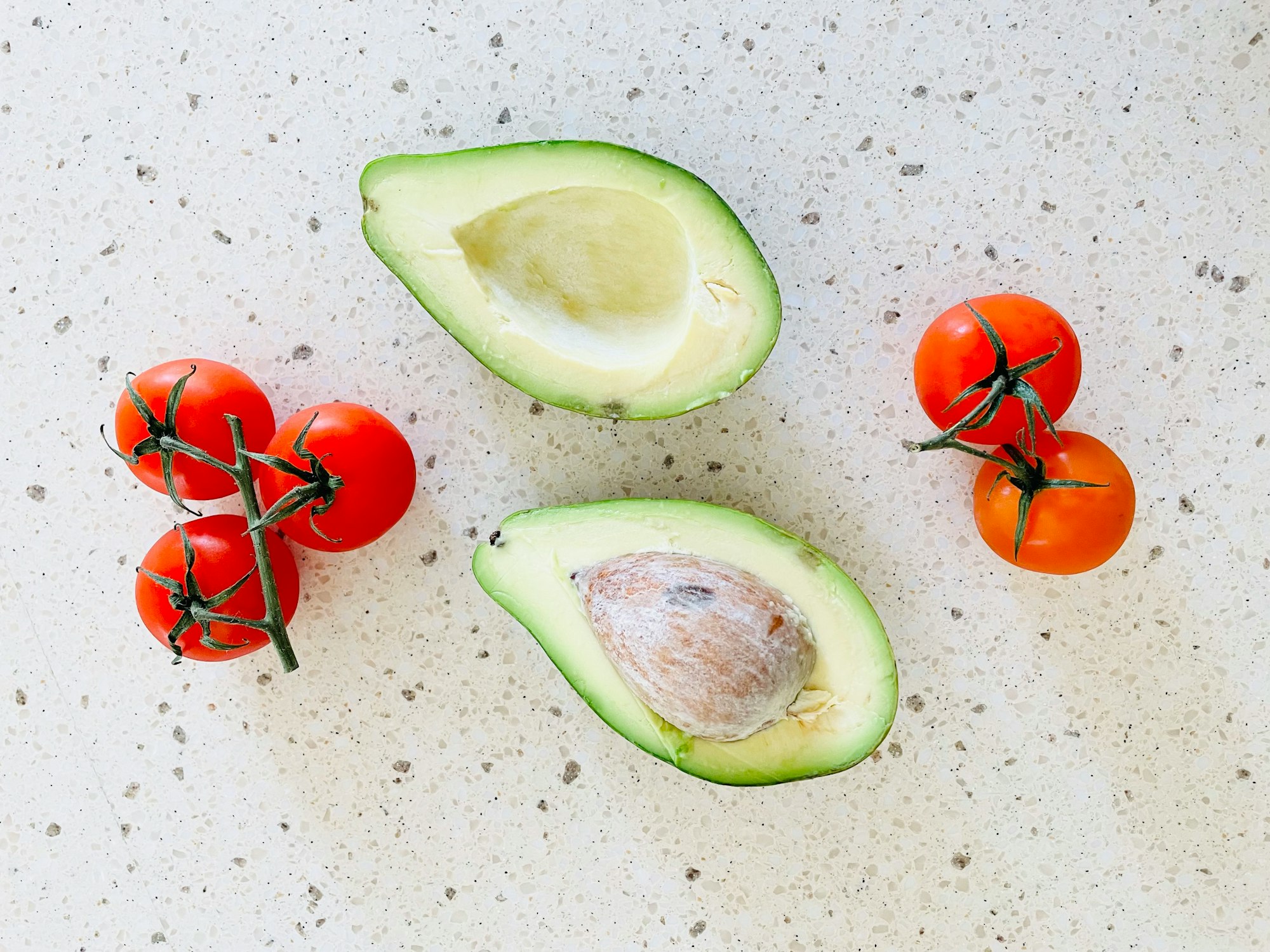
![What To Eat For Better Skin, Focus & Gut Health [Free 1-Page Decoder]](/content/images/size/w600/2025/10/photo-1533324050617-905a80c167eb-1.jpeg)