Immunity Booster List: 12 Functional foods to help strengthen your defences (evidence-based)


It's been one of those weeks when my body has felt one big step behind. The empty-battery kind of tired, scratchy throat, foggy head. I wish I could have prevented it.
There's no magic food that will make us bulletproof, but reserach has proven that strong immune health does start in the kitchen.
And not with endless supplements or superfood powders. But with real whole foods. They supply our immune system with the right synergy of nutrients in forms our body can use fully.
Here's 12 evidence-backed funcional foods for immunity that have real science behind them and can fit easily into our everyday diet.
🧄 1) Garlic [Your body's antimicrobial defence]
Garlic's immune reputation definitely isn't just folklore.
Allicin is the main active compound in garlic, and it's released when garlic is chopped or crushed. It helps the body's natural killer cells act faster against pathogens.
In a 2022 study in Frontiers in Immunology, allicin showed measurable results in supporting barrier integrity, and in modulating immune-relevant pathways.
Best absorbed: Chopped and rested for 10 minutes, then raw or only lightly cooked (under 1 min), to maximize allicin formation.
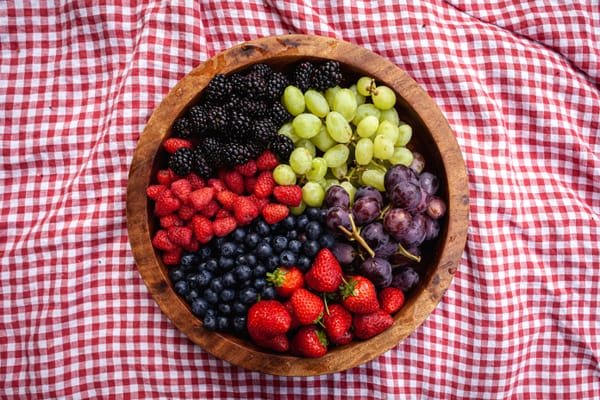
🫐 2) Blueberries [Fight against oxidative stress]
Blueberries' dark pigment comes from anthocyanins, plant compounds that help reduce inflammation and oxidative stress, two key factors that weaken our immune responses.
Research links regular blueberry consumption to improved immune signalling and lower upper-respiratory infection risk.
Best absorbed: Fresh or frozen, slightly warmed to release more anthocyanins.
🍃 3) Spinach [Vitamin C + beta-carotene combo]
This surprised me, but spinach is actually rich in vitamin C and beta-carotene, which together create the perfect synergy to maintain our skin defence, and mucous membranes defence. Both are part of the body's first line of defence.
Cooking lightly (just until it starts to wilt) makes the beta-carotene more bioavailable.
Synergy tip: Drizzle with extra-virgin olive oil to boost carotenoid absorption.
🍋 4) Citrus fruits [Immune fuel classics]
Oranges, grapefruits, lemons and limes, they're the classic immune-support foods for a good reason.
Vitamin C supports the production of white blood cells, while citrus flavonoids like hesperidin have anti-inflammatory properties shown in recent 2023 studies to modulate immune cell function.
Best absorbed: Whole fruit is a better choice than juice, for fibre and a steady glucose response.
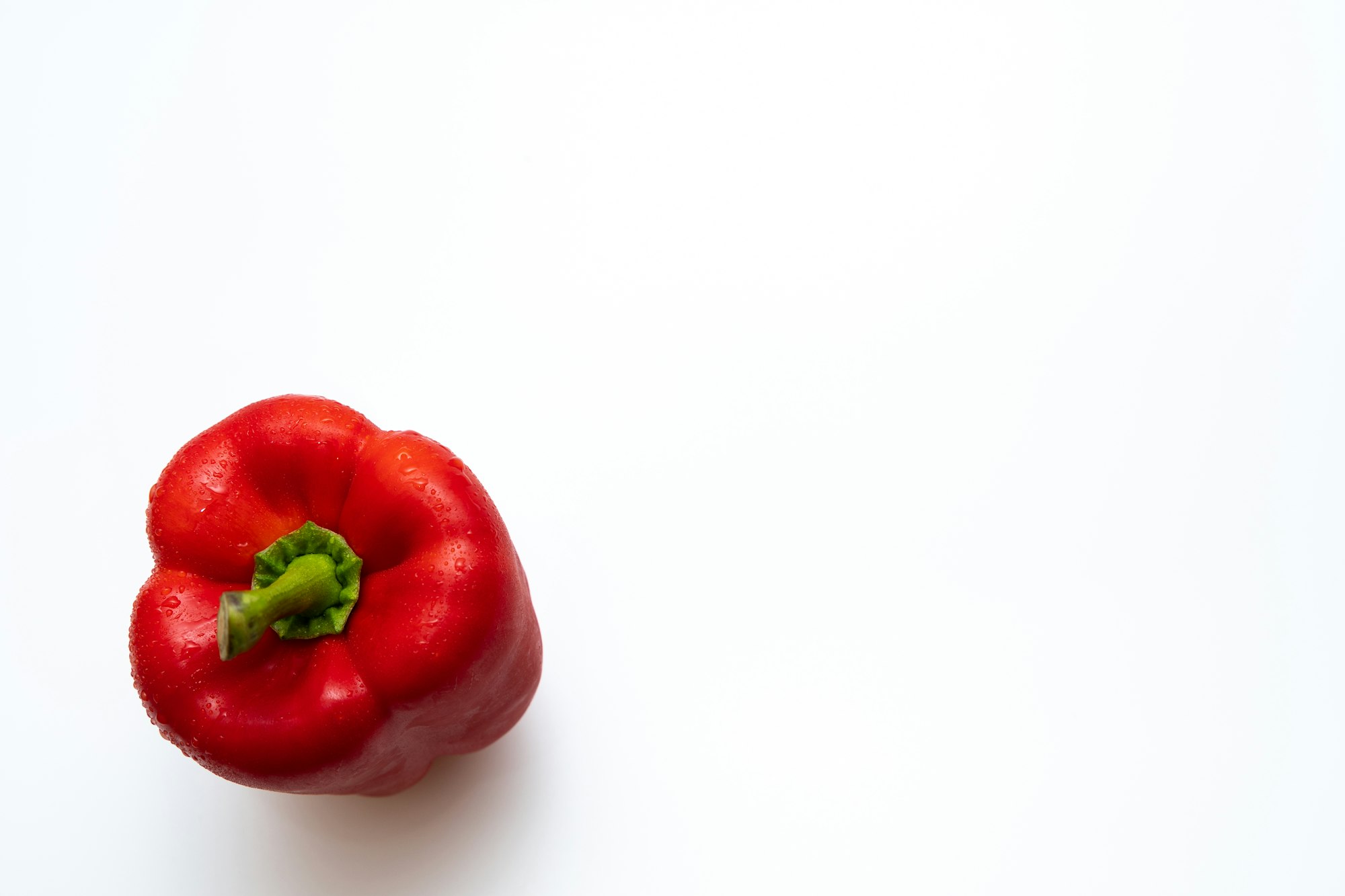
🌶️ 5) Red peppers [Unexpected vitamin C powerhouses]
Red bell peppers actually contain more vitamin C than oranges per gram, and also provide beta-carotene for additional antioxidant support and synergy.
A 2023 study published in Molecules showed just one medium red bell pepper offers more than a full day's value of vitamin C, and these peppers also retain high levels of antioxidants and related beneficial phytochemicals, both when raw and cooked.
They're also particularly valuable for protecting our immune cells once they're active, from weakening.
Best absorbed: Lightly roasted or stir-fried, cooking actually increases the bioavailability of their vitamin C.
🥫6) Tomatoes [Lycopene + vitamin C combo]
Tomatoes bring into our body the perfect lycopene and vitamin C synergy.
Lycopene is a carotenoid antioxidant, that reduced oxidative damage in immune cells. A 2022 study found higher lycopene intake was linked to fewer viral infection symptoms.
Best absorbed: Cooked or raw with olive oil to increase the bioavailability of the lycopene.
✨ Get a free Immunity Booster Fridge List – a 1-page fridge list, or save it to your phone. Bonus: Has bioavailability score and synergy tips to boost the effect ✨ Download it here.
🍄🟫 7) Mushrooms [Natural vitamin D support]
Certain mushrooms like maitake, shiitake, oyster mushrooms, or porcinis, contain ergosterol, which the body can convert into vitamin D.
The beta-glucans that are present in all mushrooms, including button, white, and chestnut mushrooms, have also been shown to significantly enhance innate immune response.
Best absorbed: Cooked, never eat mushrooms raw.
🫚 8) Ginger [Anti-inflammatory and circulatory support]
Gingerol, the bioactive compound in fresh ginger, supports immune balance by reducing chronic inflammation.
A 2021 meta-analysis study in Phytotherapy Research found ginger consumption significantly improved inflammatory markers linked to immunity.
Best absorbed: Raw in dressings, dried-from-fresh ginger powder, steep in hot water or combine with lemon juice daily.
🟡 9) Turmeric [Curcumin connection]
The curcumin found in turmeric modulates immune activity and supports the body's antioxidant defences.
A 2023 randomized trial found that daily curcumin consumption (500 mg) for 8 weeks significantly increased T-cell activity (defence) and reduced circulating pro-inflammatory cytokines (anti-inflammatory action).
Best absorbed: Curcumin is notoriously hard to absorb on its own but combining it with black pepper (piperine) increases absorption up to 2000%!
🫘 10) Lentils [Protein + zinc + folate synergy]
Immune cells need protein and zinc in synergy, to replicate properly.
Lentils deliver both, plus folate and polyphenols that reduce oxidative stress.
In 2024, a 12-week human intervention study published in PubMed Central, showed that daily consumption of red lentils improved inflammatory biomarkers linked to immune health.
Best absorbed: Pair with vitamin C foods like tomatoes or peppers to boost iron uptake.
🥕 11) Carrots [Beta-carotene + antioxidants]
Carotenoids like beta-carotene help maintain epithelial tissues, your body's physical immune barrier.
A 2020 study in Nutrients confirmed higher carotenoid intake correlates with stronger immune biomarkers.
Best absorbed: Raw with olive oil, roasted with olive oil, boiled in soups.
⚪ 12) Almonds [Vitamin E + healthy fats synergy]
Vitamin E helps to regulate immune system function to work at its best, and also protects immune cells from oxidative damage.
Almonds provide both: High levels of vitamin E and the healthy mono-unsaturated fats that are needed to aid absorption.
Best absorbed: Small daily handful with fruit for added vitamin synergy.
❔FAQ
- Q: Can I get all immune nutrients from food alone?
- A: Mostly yes, if your diet is diverse, but in winter or if you live in low-sunlight areas, consider a vitamin D supplement.
- Q: What about supplements like zinc or vitamin C megadoses?
- A: More isn't better, high-doze zinc or vitamin C can actually disrupt balance and irritate the gut. Food-based intake is safer long term.
- Q: Which combination gives the biggest daily benefit?
- A: Try a meal that combines tomatoes, lentils, olive oil, herbs, and squeeze of lemon. Or a classic fresh lemon juice, olive oil, garlic, turmeric, black pepper and ginger dressing on a spinach, tomato, carrot and red pepper salad.
☑️ Reality check
A strong immune system builds over time. What you eat daily counts more than what you take when you're already unwell.
But the 12 immunity foods on this list are great options if you want a set of boosters that are going to start building that effect straight away.
Supplements can also certainly help but overdoing them, especially zinc, vitamin C, and curcumin capsules, can interfere with other nutrients.
All research used here is from independent, peer-reviewed studies (no sponsorship bias), and content is regularly updated as new findings appear.
💫 Who else do you know that needs this? Email this article 💌
 Martina Gabriela