Everyday anti-inflammatory foods most people overlook (but science supports)

No. 4 will surprise you!
Most conversations about anti-inflammatory eating start in the same place:
Turmeric, berries, olive oil, greens.
Those foods matter. But they aren't where the strongest, most consistent anti-inflammatory effects in real diets actually come from.
In research, anti-inflammatory foods are identified by their effects on our inflammation markers.
And rather brilliantly, it's often simple everyday foods that show the strongest ability to do that.
Many real foods can quietly reduce inflammation without us knowing, and they are rarely labelled as anti-inflammatory at all. They're overlooked precisely because they don't feel special.
What anti-inflammatory means in research (briefly)
Inflammation usually refers to low-grade, chronic immune activation (so, not acute swelling from an injury for example).
This is measured through blood markers such as CRP or IL-6, and through long-term outcomes like cardiovascular disease and metabolic risk.
Importantly, foods are rarely studied in isolation. Most strong evidence comes from:
- Dietary patterns
- Habitual intake
- Long-term exposure
This is why the most effective anti-inflammatory foods tend to be those that quietly show up every day.
The key most advice misses
Anti-inflammatory impact scales with frequency, not intensity.
Foods we eat regularly, even if they're unglamorous, have more influence on inflammatory signalling than the odd superfood we try here and there.
What's familiar can often make much more difference than what sounds impressive on paper.
1.) Legumes
(Rarely marked as anti-inflammatory, consistently supported by evidence.)
Beans, lentils, and chickpeas are usually framed as protein sources or fibre staples. They rarely appear on anti-inflammatory food lists.
But population-level evidence consistenly associates legume intake with lower inflammatory markers, particularly CRP.
A systematic review and meta-analysis examining legume consumption found that higher intake was associated with significant reductions in CRP, suggesting a measurable anti-inflammatory effect when legumes are consumed regularly.
How legumes work against inflammation:
- They support gut-derived metabolites that influence immune signalling
- They stabilize post-meal metabolic responses
- They displace dietary patterns associated with higher inflammation
They work because they're highly repeatable, if you tolerate fibre well.
If fibre sometimes backfires on you:
 Martina Gabriela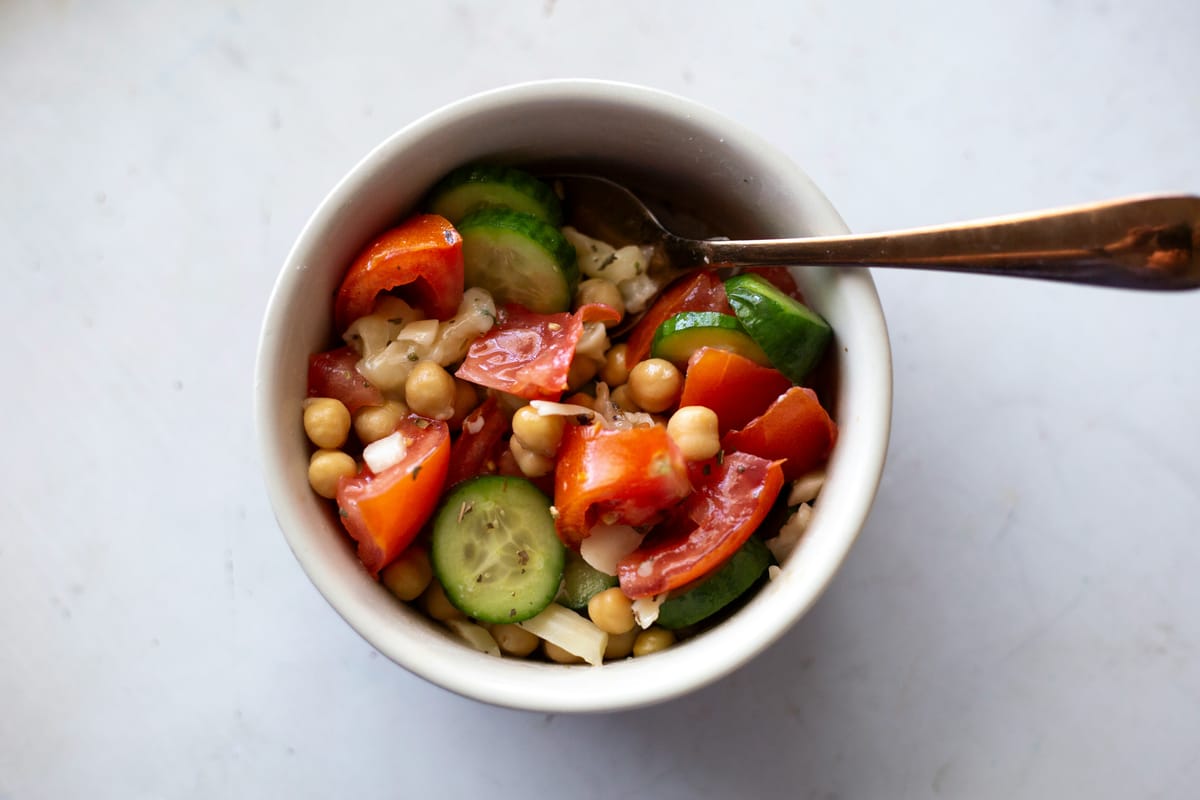
2.) Whole grains
(Often exluded from anti-inflammatory diets despite strong data)