
6 foods I use for brain fog instead of supplements
Research keeps proving what most of us already feel:
The food we eat shows up in how clearly we think.
Sometimes it’s like my brain has been biohacked the other way. My thoughts don’t connect, I need to re-read every sentence 3 times to know what it says, creativity and motivation are non-existent.
This includes days when I’ve slept well. So I know it’s not just tiredness.
And I want a solution that’s not going to turn my life into a supplement isle.
Research shows this is doable:

Certain plants and their nutrients have been shown to directly support the brain’s energy, blood flow, and neurotransmitters, which are the key architecture of focus.
And the foods that help me the most are in fact surprisingly normal.
Let’s dig into the evidence.
1. Blueberries = The first boost of the day
Blueberries are rich in anthocyanins, plant compounds that support communication between neurons when they reach your brain.
A few studies show that eating a regular handful of blueberries can improve mental processing speed and also short term memory, and this all starts just after a single serving.
Eating blueberries with wholegrain oats is a classic breakfast combo and it creates synergy for increased bioavailability.
The soluble fibre in oats slows the absorption of the natural sugars in blueberries (and any other fruit). This keeps your energy steady but it also helps the anthocyanins stay active for longer.
Together, this synergy feeds both better focus and blood sugar balance.
2. Walnuts = The midday stabilizer
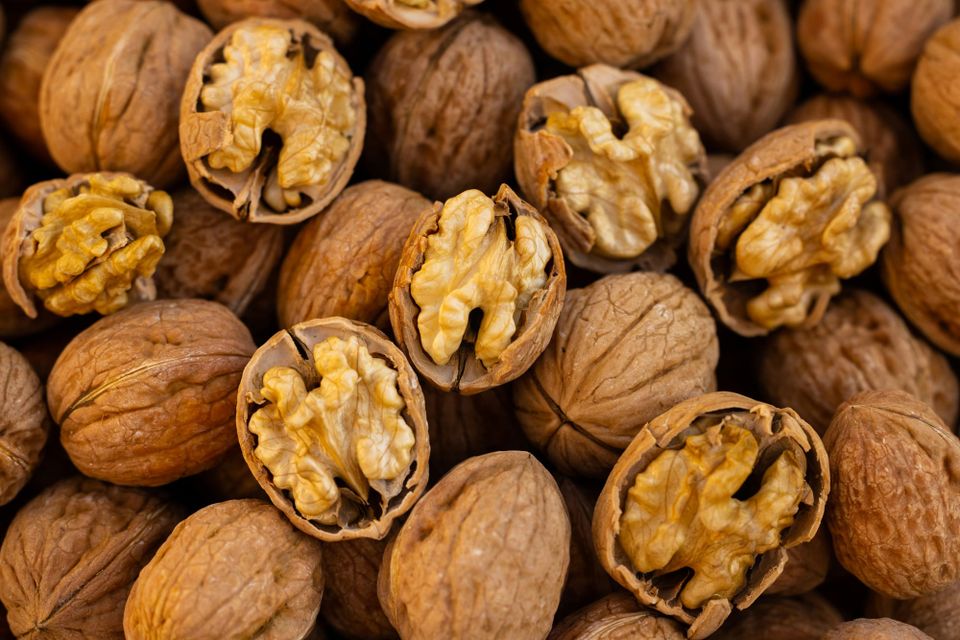
Often underrated, walnuts are one of the most steadily dense brain foods.
Walnuts are loaded with vitamin E and antioxidants that reduce oxidative stress, the brain’s version of wear and tear. They’re also a compact source of plant based omega 3s.
According to a 2023 review study in Nutrients, eating nuts and especially walnuts may help better cognitive performance and also reduce age-related mental decline across the lifespan.
This study concluded that walnuts appear to be the most promising type of nut to contribute to cognitive health.
3. Lemon balm = The calm clarity booster
This herb suprised me. Lemon balm works two ways:
It has a calming effect, takes the edge off mental noise without making you sleepy, and helps you focus at the same time.
In a 2023 placebo controlled trial published in Frontiers in Pharmacology, healthy adults experiencing moderate emotional distress or poor sleep took lemon balm extract for 3 weeks. The results were improved mood, lower stress levels, and better sleep quality versus placebo.
Lemon balm doesn’t work like caffeine, instead it works by reducing the mental friction that blocks focus.
It removes the cognitive drag caused by stress, tension, and overactivation, and stabilizes your mood enough to support mental clarity.
So if your lack of focus is the result of low-grade stress or mild anxiety, lemon balm can be a gentle but effective remedy.
4. Fermented foods = The gut-brain connector
When we dig into the gut-brain connection axis, fermented foods like kimchi, miso, or sauerkraut keep showing up as the MVPs in that conversation.
The live microbionta in these foods act in the body as both prebiotics and probiotics, and create ideal conditions for them to thrive in your gut.
One recent systematic review from Frontiers in Science found that daily intake of fermented foods was associated with slower cognitive decline in older adults, likely via improvements in gut barrier health, microbial diversity, and reduced inflammation.
The mechanism?
Better gut microbiome balance => more neuroactive metabolites (like short-chain fatty acids => calmer immunity & nerve signalling => steadier brain function.
5. Cocoa & cacao = The mid-afternoon lift
Here’s how to avoid the conflict between the health benefits of dark chocolate and the presence of heavy metals in many 70%+ dark chocolate brands:
Go instead to the pure source.
Pure cacao, especially ceremonial grade cacao (unprocessed and unsweetened) is basically pure cocoa flavanols.
These flavanols are the plant compounds responsible for improved blood flow to the brain, which leads to sharper alertness, less mental fatigue as the day progresses, and better mood.
In this controlled trial, participants who consumed high-flavanol cocoa showed greater frontal cortex oxygenation during demanding cognitive tasks compared to a low-flavanol group.
For us this means:
2 teaspoons of pure cacao with hot water or plant milk as your afternoon pick-me-up drink.
This should give you a good lift through the flavanol activation of cerebral blood flow pathways. So your brain gets more of what it needs when you’re asking it to work.
6. Beetroot = The oxygenator
Beetroot’s claim to fame so far has been mainly through its positive effects on blood pressure, and sport performance benefits.
But newer human trials are now tracking its cognitive effects too.
In this double-blind crossover study, healthy adults given a beetroot extract supplement showed around 20% improvement in immediate memory recall, and around 11% of improved cognitive flexibility compared to placebo.
The nitrates in beetroot work to oxygenate and increase cerebral blood flow to the brain (as well as the flavanols in cacao).
But nitrates are also linked to an enhanced neuron support, which makes beetroot a smart addition to lunch whenever you need to stay mentally ahead.
Reality check
As much as focus is about motivation and willpower, is also very much about chemistry, and synergy. It’s about what you feed it.
Functional foods are increasingly being taken seriously as valuable additions to our everyday wellness and stability.
And while there’s no single food that will turn our brain into a supercomputer (yet), these 6 small changes into your everyday fuel stack up fast.
They help create the ideal conditions for your natural brain power to work, and help maximize your potential to get things done.
 Martina Gabriela




Member discussion